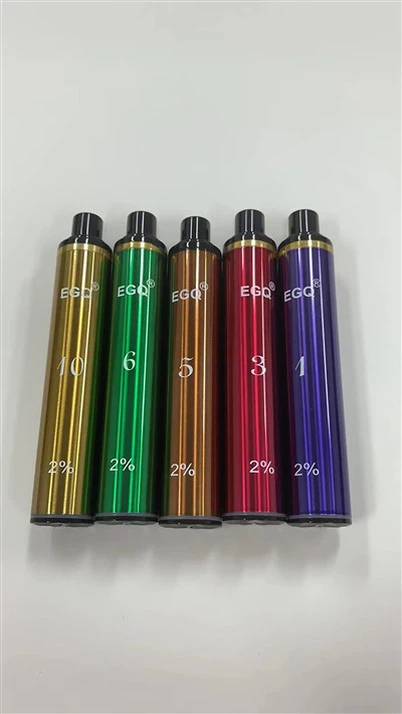
En preliminär studie av regleringssystemen för nya nikotinprodukter i större länder över hela världen: ta tuggtobak och nikotin som exempel
Lämna ett meddelande
Introduktion
In recent years, with technological advancements and the diversification of consumer demands, a plethora of new nicotine products have emerged. Besides electronic cigarettes, various products such as mouth-holding cigarettes, nicotine candies, nicotine sprays, and nicotine patches have gradually gained popularity in the market. These products differ significantly from traditional tobacco products in terms of appearance, Komposition, användningsmetoder och verkningsmekanism . Men kärnkomponenten, nikotin, har lett till kontroverser om folkhälsa, ungdomsskydd och juridisk reglering .
Den här artikeln kommer att anta ett juridiskt perspektiv, ta munhållning av cigaretter och nikotingodisar som exempel, för att analysera den nuvarande regleringspolitiken och utmaningarna för nya nikotinprodukter både inhemskt och internationellt och föreslå politiska rekommendationer för att förbättra regleringssystemet .
I . Introduktion till de typer av nya nikotinprodukter
1.1 Juridisk definition
According to Article 2.4.1.2 of the national standard GB/T 18771.2-2015 "Tobacco Terminology - Part 2: Tobacco Products and Tobacco Processing", in China, a tobacco-containing product is defined as: "A mouth-type tobacco product that releases a portion of soluble substances through saliva when placed between the lips and gums."
USA: s FDA definierar munhållning av cigaretter som: En tobaksprodukt som inte kräver uppvärmning eller förbränning, placeras mellan tandköttet och överläppen när den används, och nikotin absorberas av människokroppen, existerande i en liten syntetisk fiberpåse .
In terms of form and usage method, nicotine candies (divided into hard candies and soft candies) are a type of tobacco substitute that can be either mouth-held or chewed, usually in the form of candies. When users place it in their mouths and let it dissolve or chew, nicotine gradually releases and is absorbed through the oral mucosa, entering the bloodstream. Nikotinsprayer är ett nässpraymedel som innehåller nikotinlösning . Användare spray sprayen i näshålan, och nikotin absorberas snabbt genom nässlemhinnan, med en snabbare tid .}
Nikotinplåster är en transdermal absorptionsprodukt som appliceras på huden och frigör kontinuerligt nikotin för att upprätthålla nikotinnivåer i blodet och minska abstinenssymtom och tobaks begär . De förändras vanligtvis var 24 timmar .
För nikotinkar, nikotinsprayer och nikotinplåster finns det inga tydliga juridiska definitioner över hela världen .
1.2 motsägelse mellan juridisk definition och faktiska produktkomponenter
Some of the current new nicotine products use extracted nicotine, while others use synthetic nicotine. The trend of using synthetic nicotine is increasing. Apart from the United States, most countries and regions worldwide have no clear conclusion on whether products made using synthetic nicotine belong to tobacco products and how to regulate them. Current laws and regulations are mostly based Enligt regleringsstandarderna för traditionella tobaksprodukter, som är svåra att helt anpassa sig till de snabba förändringarna av nya produkter, vilket resulterar i regleringsgap och juridiska tillämpningstvister . Därför är det att du ska kunna ta itu med att vara i lagstiftning om lagstiftning om lagstiftning)
II . Reglering av nikotin utomlands och inhemskt
2.1 Huvudanvändning av nikotin
Förutom elektroniska cigaretter och de nya nikotinprodukter som nämns i denna artikel används nikotin också inom det medicinska området för forskning inom neurovetenskap (såsom behandling av neurodegenerativa sjukdomar) och inom jordbruksområdet som insektsmedel .}
2.2 Reglering av nikotin i Kina
The national standard for electronic cigarettes in China (GB 41700-2022) stipulates that the nicotine used in electronic cigarettes must be extracted from tobacco, meaning that electronic cigarettes in China are prohibited from using synthetic nicotine. In addition, China has not distinguished the regulation of extracted nicotine and synthetic nicotine.
According to the "List of Hazardous Chemicals", nicotine belongs to highly toxic hazardous chemicals. According to the "Catalogue of Toxic Chemicals" published by the Ministry of Public Security of the People's Republic of China, nicotine belongs to Class A organic toxic chemicals, with the number A2045. According to Article 14 of the "Regulations on the Safety Management of Hazardous Kemikalier ", företag som bedriver produktion av nikotin måste få en farlig kemikalie säkerhetsproduktionslicens .
Artikel 29 i "föreskrifter om säkerhetshantering av farliga kemikalier" föreskriver att kemiska företag som använder farliga kemikalier för produktion och vars användning når den angivna mängden (exklusive de som är farliga kemikalier) ska, i enlighet med bestämmelserna i denna reglering, få en farlig kemikali.
Enligt artikel 35 i "föreskrifter om säkerhetshantering av farliga kemikalier" måste företag som bedriver nikotin för att få en farlig kemikalieföretagslicens .
According to Article 38 of the "Regulations on the Safety Management of Hazardous Chemicals", enterprises that have legally obtained hazardous chemicals safety production licenses, hazardous chemicals safe use licenses, and hazardous chemicals business licenses shall purchase highly toxic chemicals and explosive precursors for making explosives with the corresponding licenses. For other units that purchase highly toxic chemicals, they shall apply to the local Länsnivå offentliga säkerhetsmyndigheter för en köplicens för mycket giftiga kemikalier .
Article 19 of the "Regulations on the Management of Electronic Cigarettes" stipulates that electronic cigarette manufacturing enterprises, e-liquid manufacturing enterprises, e-liquid nicotine manufacturing enterprises, electronic cigarette wholesale enterprises, and electronic cigarette retail business entities that have legally obtained tobacco monopoly licenses shall conduct transactions through the electronic cigarette trading management platform.
Därför, om tillverkaren av en ny typ av nikotinprodukt inte bedriver produktion och verksamhet i nikotinet utan måste få nikotin från en nikotinproduktion och affärsföretag, bör det gälla för de lokala länsnivåer för offentliga säkerhetsmyndigheter för en köplicens för mycket toxiska kemikalier i enlighet med artikel 38 i "reglerna om säkerhetshantering av farliga kemikalier". 3 . 1 nedan) bör de genomföra transaktioner genom den elektroniska cigaretthandelshanteringsplattformen.
2.3 Reglering av nikotin i andra länder
Förenta staterna, Storbritannien och Europeiska unionen betraktar alla nikotin som ett beroendeframkallande ämne och har föreskrivit att varningsetiketter som "denna produkt innehåller nikotin, och nikotin är ett mycket beroendeframkallande ämne" måste inkluderas på tobaksprodukter .
The United States clearly adopts the same regulatory model for extracting nicotine and synthetic nicotine. Producers and importers of traditional tobacco products (such as cigarettes, cigars, etc.) need to apply to the Alcohol and Tobacco Tax and Trade Bureau (TTB) for permission. New tobacco products do not require permission at the federal level but need to comply with the regulations of each state for new tobacco products. For example, the Cigarette and Tobacco Products Licensing Act of California stipulates that any producer, distributor, wholesaler, retailer, or importer of tobacco products (including electronic cigarettes and other new tobacco products) must obtain permission.
Storbritannien och de flesta länder i Europeiska unionen har fortfarande ett regleringsgap för nya nikotinprodukter . Om de inte väljer att registrera sig som droger, kräver de för närvarande inte tillstånd .
Iii . Reglering av tuggtobak hemma och utomlands
3.1 Reglering av tuggtobak i Kina
At present, there are no clear laws and regulations for the regulation of chewing tobacco in China. The only reference that can be used is the reply from the State Tobacco Monopoly Administration on April 24, 2024, which states, "Chewing tobacco, except for being managed as tobacco products or registered as a drug, shall be managed in accordance with the provisions of the 'Regulations on the Implementation of the Tobaksmonopollag "och" Reglerna för elektroniska cigaretter "(State Tobacco Monopoly Administration tillkännagivande No . 1 av 2022) angående e-liquid ." Observera att detta svar endast täcker tuggtobak och inte täcker nya produkter som Nicotine Sugar {}}}}}}}}}}}}}}}}}}}}}}}}}}}}}}}}}}}
According to the reply from the State Tobacco Monopoly Administration, China does not fully adopt the same regulatory policies as electronic cigarettes for chewing tobacco. The future regulatory trend for chewing tobacco in China may fall into three scenarios. 1. If the product is registered as a drug, it shall be managed in accordance with the regulations for registered Drugs . Produkten måste följa "farmaceutisk administrationslag" och relaterade bestämmelser . 2. Om nikotin extraheras, ska den regleras som en tobaksprodukt och måste uppfylla "Tobacco Monopoly" och relaterade förordningar, enligt Tobaccco Monopoly Licensing System {{4} om Syntet är användas, det är, efter tobak som en tobak licens I enlighet med bestämmelserna för aerosoler i "elektroniska cigaretthanteringsåtgärder" .
3.2 Regleringsövervakning av tuggtobak i USA
Like electronic cigarettes, the United States regulates chewing tobacco as a tobacco product. The product must pass the PMTA review to prove that it is beneficial for public health protection. The United States adopts the same regulatory model as for electronic cigarettes for chewing tobacco, regardless of whether the nicotine used in the product is synthetic nicotine or extracted nicotine. This makes the United States the country with the most complete regulatory system for chewing tobacco in the world at present. On January 26, 2025, the FDA approved the PMTA review of 20 chewing tobacco products. For an overview of the regulatory laws for chewing tobacco in the United States, please refer to "Understanding the US Elektronisk cigarettreglering i en artikel: Vem reglerar? Hur?
3.3 Regleringsövervakning av tuggtobak i Storbritannien
Enligt artikel 17 i Storbritanniens "tobak och relaterade produkter 2016" (TRPR) i Storbritannien betraktas tuggtobak som använder extraherad nikotin för närvarande . medan tugga tobak med syntetiskt nikotin anses för närvarande endast vara en vanlig konsumentprodukt och förblir i det regulatoriska gråare
3.4 Regleringsövervakning av tuggtobak i Europeiska unionen
For chewing tobacco using extracted nicotine, Article 17 of the "Tobacco Products Directive" (TPD) of the European Union explicitly prohibits it. According to the definition of tobacco products in the TPD, tobacco products must contain tobacco extracts. Therefore, for chewing tobacco using synthetic nicotine, the regulatory supervision at EU -nivån kvarstår i det grå området . Endast ett fåtal länder, till exempel Tjeckien och Rumänien, har formulerat relevanta förordningar för tuggtobak utan tobaksextrakt .
IV . Regleringsövervakning av nikotinsocker hemma och utomlands
4.1 Regleringsövervakning av nikotinsocker i Kina
At present, there is no management method for nicotine sugar in China. Its legal attribute is ambiguous, and it is in the regulatory gray area. Article 2.4.1.1 of "Tobacco Terminology Part 2: Tobacco Products and Tobacco Processing" defines chewing tobacco as "oral tobacco products used by tugga . "Om tuggtobak kan inkludera nikotinsocker med extraherat nikotin, är nikotinsocker med syntetiskt nikotin tydligt utanför räckvidden för tuggtobak . Det finns ett juridiskt reglerande gap .}
4.2 Reglering av nikotinsocker i USA
The United States defines any product containing nicotine from any source as a tobacco product. Therefore, just like e-cigarettes and dissolvable tobacco products, these products need to undergo PMTA review. An overview of the regulatory laws in the United States regarding nicotine can be found in "Understanding U.S. E-cigarette Regler: Vem reglerar?
However, unlike e-cigarettes and dissolvable tobacco products, nicotine sugar has been explicitly recognized by the FDA as one of the seven auxiliary smoking cessation products. Other auxiliary smoking cessation products include nicotine patches, nicotine lozenges, nicotine oral inhalers, nicotine nasal sprays, varenicline, and buPropion .
4.3 Reglering av nikotinsocker i Storbritannien
I likhet med Förenta staterna erkänner läkemedels- och sjukvårdsprodukterna Regulatory Agency (MHRA) i Storbritannien nikotinsocker som en av nikotinersättningsterapierna för att hjälpa till med rökavbrott . byrån uppmuntrar företag att registrera nikotin socker som en medicin, men det är inte ett obligatoriskt krav . därför är byrån att registrera sig som är fortfarande som ett läkemedel som ett läkemedel är det som inte är ett obligatoriskt krav .. Därför är byrån att inte registrera sig som är fortfarande som en medicin som en medicin, men det är inte ett obligatoriskt krav .. Därför är byrån att inte registrera sig som är fortfarande som en medicin som en medicin, men det är inte ett obligatoriskt krav . därför är byrån att registrera sig som är fortfarande som en medicin som en medicin, men det är inte ett obligatoriskt krav. varor .
4.4 Reglering av nikotinsocker i Europeiska unionen
According to the EU Medicines Directive (Directive 2001/83/EC), a medicine is defined as a substance used for the treatment or prevention of diseases, the alteration of physiological functions, or for medical diagnosis. Regarding whether nicotine sugar is a medicine for smoking cessation, different countries have different judgments and understandings. If nicotine sugar is a medicine for smoking cessation, it must obtain the Motsvarande marknadsföring av marknadsföring . Sökande måste lämna in tillräckliga kliniska prövningsdata, toxikologisk bedömning, produktionsprocessbeskrivning och kvalitetskontrollmaterial för att bevisa säkerheten och effektiviteten för produkten .
V . Legal Lag och den snabba utvecklingen och iterationen av nya nikotinprodukter
(1) Inkompatibilitet mellan juridiska definitioner och utvecklingen av nya nikotinprodukter . Med utvecklingen av syntetisk nikotinteknik, nya produkter är ständigt framväxande . Men befintliga lagar hänvisar till traditionella tobaksprodukter och kan inte justeras på ett rätt sätt, vilket resulterar i otillräckliga reglering ett läkemedel, eller det kan erkännas som en tobaksprodukt, eller det kan tillhöra en allmän konsumentprodukt som inte kräver ett marknadsföring av marknadsföring . olika klassificeringar kommer direkt

(2) Dispute over the definition of synthetic and extracted nicotine. Currently, in the market, new synthetic nicotine products are developing and evolving rapidly. In 2023, the global market sales reached 7.8 billion US dollars, and it is expected to grow at a rapid growth rate of 34% annually in the future. Currently, except for the United States, most countries have not yet formed a unified standard on whether synthetic nicotine should be treated differently from naturally extracted nicotine. The regulation of most countries is still at the stage of extracting nicotine, which may allow enterprises to take advantage of regulatory loopholes to evade existing legal regulation. The regulation of synthetic nicotine is mostly in a blank area.
Ur ett vetenskapligt perspektiv, huruvida syntetiskt nikotin är renare och säkrare än extraherat nikotin, förblir okänd . Mer vetenskaplig analys och datastöd behövs . Denna artikel diskuterar huvudsakligen det från det juridiska perspektivet. Den inhemska praxis, från svaret från State Tobacco Nikotin från extraherat nikotin . med hjälp av extraherat nikotin regleras som tobaksprodukter, och användning av syntetiska nikotin munstycken regleras som aerosolprodukter .
The United States' practice is not to distinguish synthetic and extracted nicotine, but to manage them uniformly as tobacco products. The United Kingdom and the European Union prohibit mouth-pieces using extracted nicotine but do not prohibit mouth-pieces using synthetic nicotine. It seems to be a distinction between synthetic and extracted nicotine, but it may also be due to the fördröjning i lagstiftning .
The author believes that not distinguishing synthetic nicotine from extracted nicotine and applying a unified regulatory system can not only increase the certainty of the law but also increase regulatory convenience. First, a unified regulatory scale can increase the certainty of the law and is more conducive to enterprises understanding which legal norms should be applied. Second, if the same type of product may be regulated in multiple ways, such as being regulated as tobacco products, medicines, or aerosols, it will cause problems of cross-departmental regulatory coordination. Third, different regulation may lead consumers to make a misjudgment of the product risks. If synthetic nicotine products are regulated as medicines or aerosols, while extracted nicotine products are regulated as tobacco products, it is Det är troligt att konsumenterna är fel uppfattning att risken för syntetiska nikotinprodukter är lägre än för extraherade nikotinprodukter . Därför bör inte utmärkas . perspektiv, regleringsfördelar och sociala fördelar.
Slutsats
New nicotine products have not only the development and iteration of product forms, but also the development and upgrading of synthetic nicotine, as well as considerations of whether they are less harmful and can help quit smoking. The regulation of new nicotine products is a complex and multi-dimensional issue. Its solutions not only involve the revision of legal provisions but also concern the balance of public health, market order, and social Värden . I närvaro av vissa reglerande luckor, å ena sidan, bör de behöriga myndigheterna påskynda forskningen och införa goda lagar; Å andra sidan bör företag som står inför reglerande luckor följa god tro och undvika nya nikotinprodukter som lockar minderåriga, orsakar negativa sociala känslor och reglerande rebound .